
Home · Hides
WILDLIFE OBSERVATION
& PHOTOGRAPHY HIDES
The first professional hides for wildlife photography in Greece – enabling observation in comfort from close proximity without disturbing the animals.
Proximity · naturalness · respect
WILDLIFE
FROM ARM'S LENGTH
Wildlife Explorers has created and operates the first hides for wildlife observation and photography in Greece.
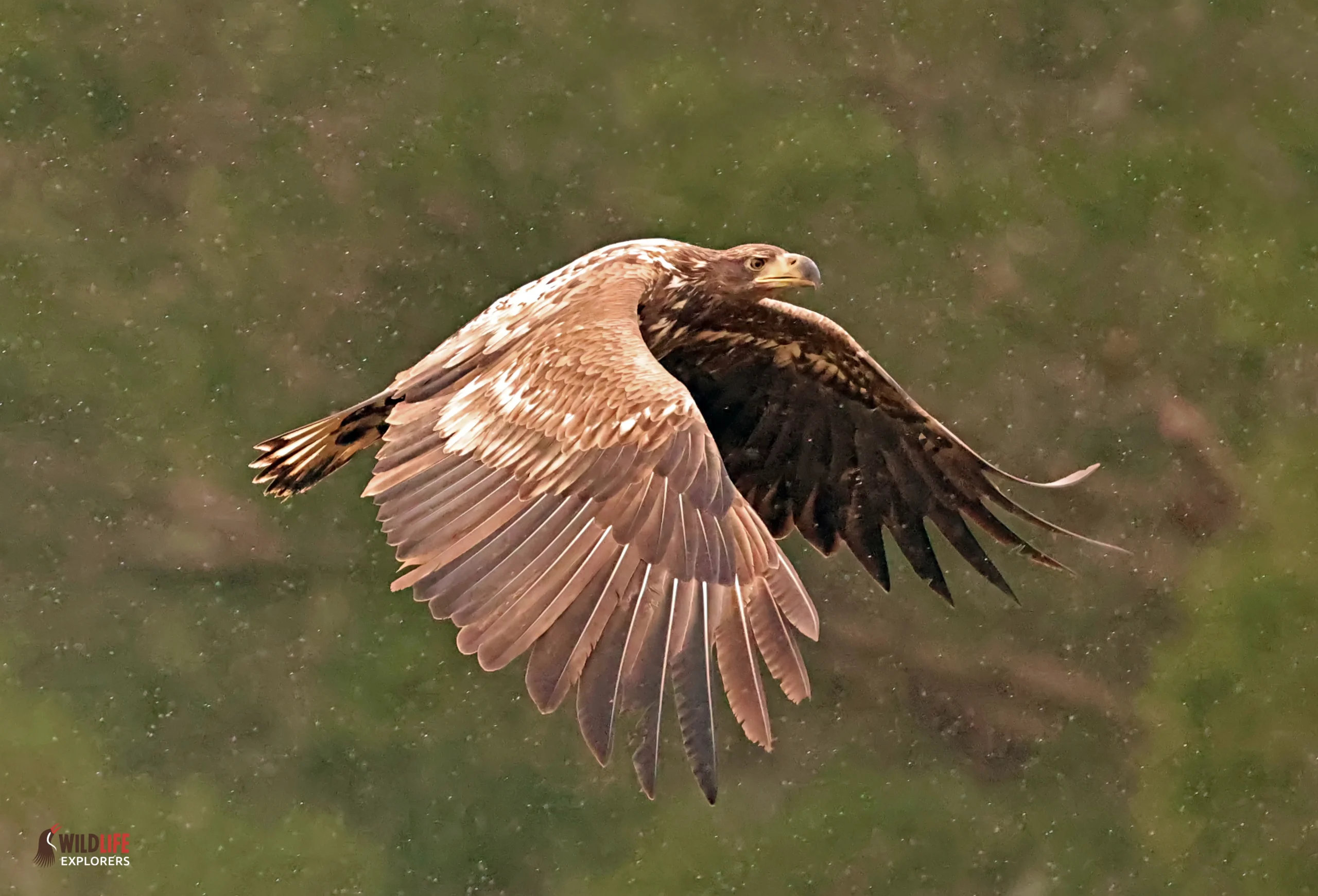
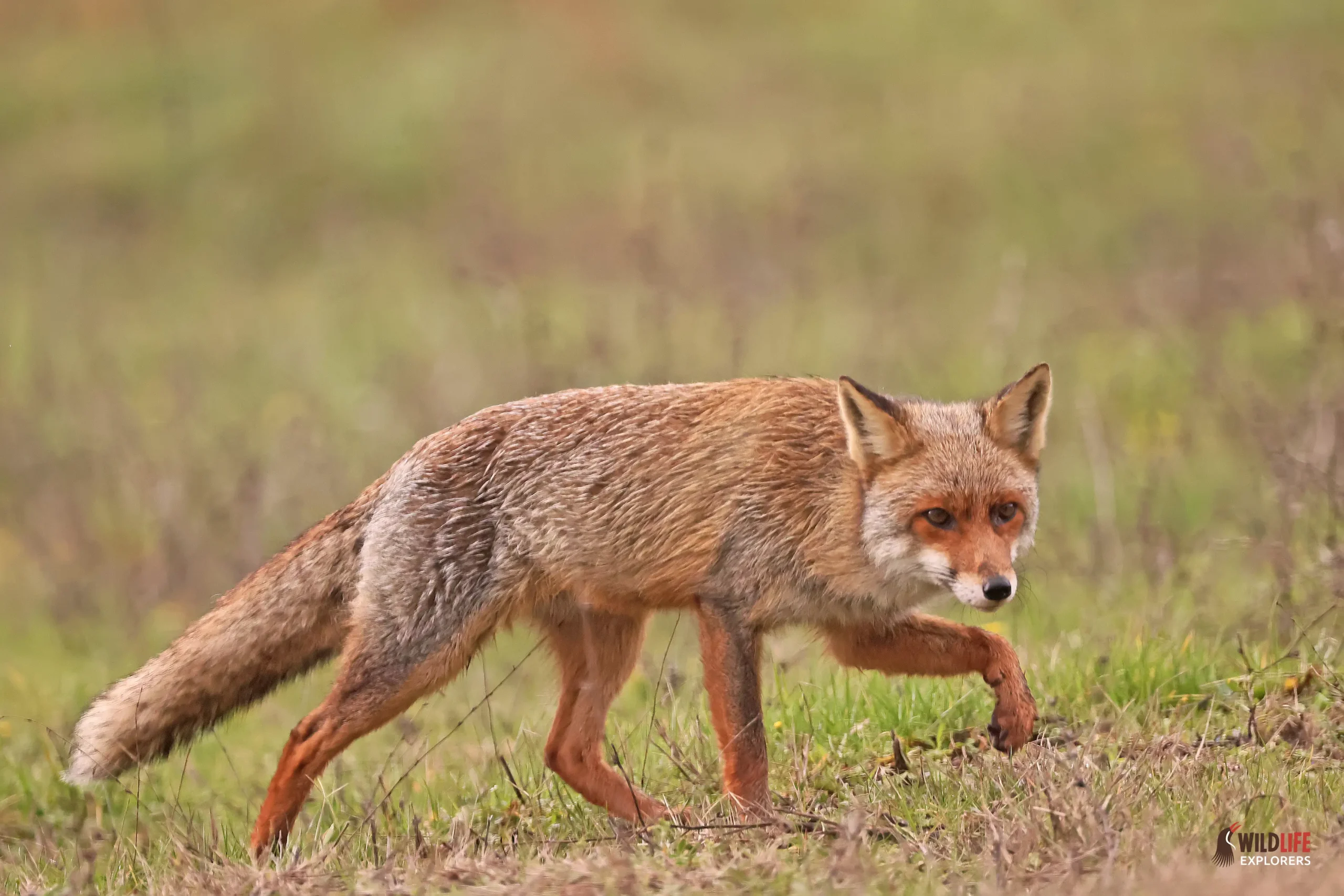
Experience the magic of wildlife photography at our specialized nature photography hides. Capture extraordinary moments in nature, featuring many of Europe's birds of prey, waterfowl, migratory species, and even mammals. Join us on an unforgettable journey to Greece's most iconic locations for a unique photographic adventure.
We offer:
- Comfortable, fully equipped hides for extended periods of observation and photography or even overnight stays.
- Two hides in Greece at carefully selected locations and two currently being prepared, plus portable hides.
- Rental of top-of-the-line equipment for professional wildlife photography.
- Professional support from our experienced staff.
Active hides
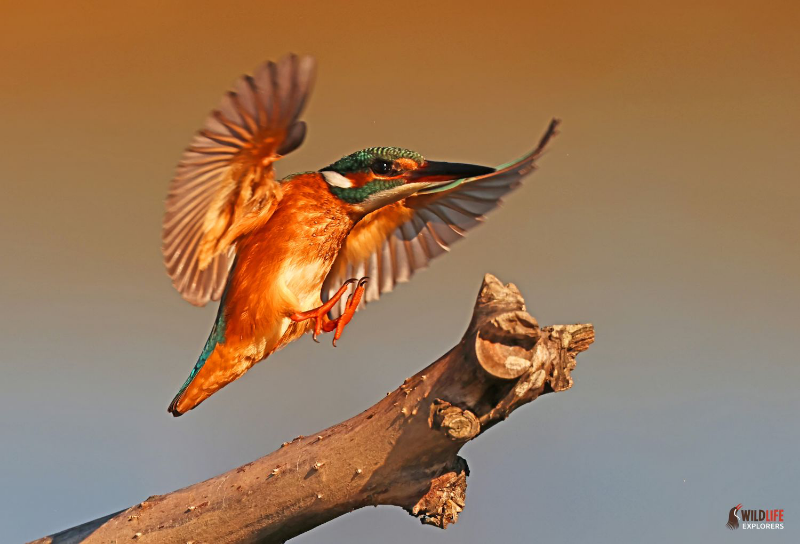
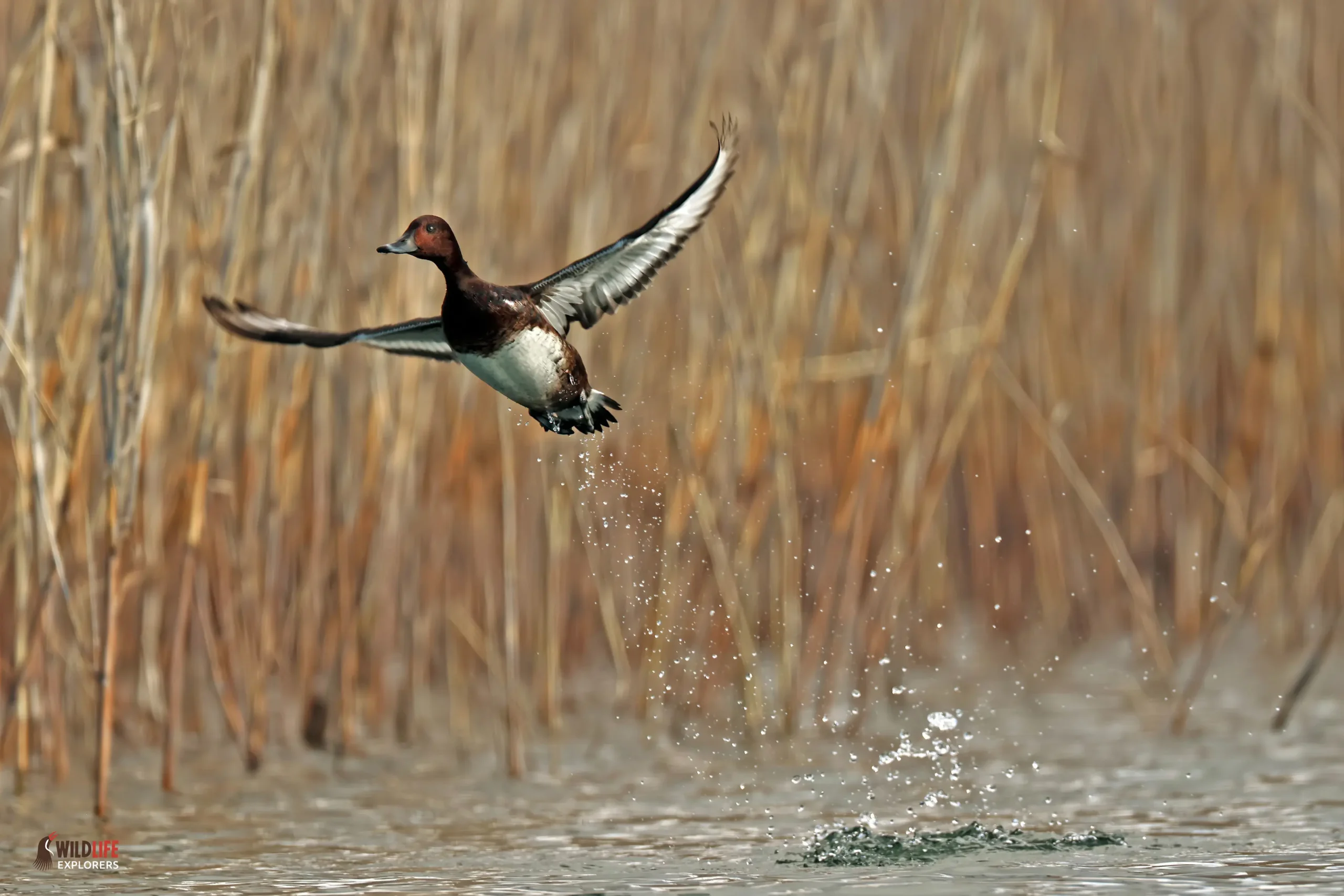
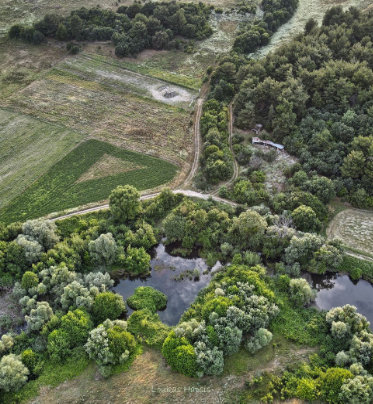
Different hides, different habitats, different species
At each hide we have spent years learning the rhythms of the place — when the light strikes the perch, when the herons arrive, when the fox passes through.
A typical session
HOW A DAY IN THE HIDE UNFOLDS
Pre-dawn arrival
We meet 60 minutes before first light. Coffee, brief, equipment check, then a silent walk to the hide.
The morning window
The first three hours are usually the most productive. Photograph quietly and move calmly. By speaking softly, you can enjoy the sounds of nature and the calls of the birds while staying focused on your observations and photography.
Midday rest
During the midday hours, it is usually quiet — it's siesta time. Please continue to speak softly, as birds and mammals may be close to the hide. Some of them have exceptionally keen hearing.
Golden hour
Last light is usually the best light. Birds and mammals value their last meal of the day greatly. Do not leave the hide — only after coordinating with us.
A night at the hide
Staying in the hide overnight is an experience like no other. The right lighting can give you beautiful, completely different photographs. And sleeping there itself is an experience — literally immersed in Nature.
In preparation
FOUR NEW HIDES · 2026–2027
Two new hides open before the end of 2026 — two more follow in 2027. Pre-bookings for the 2026 hides open this autumn.
Opening 2026
Hide Kerkini
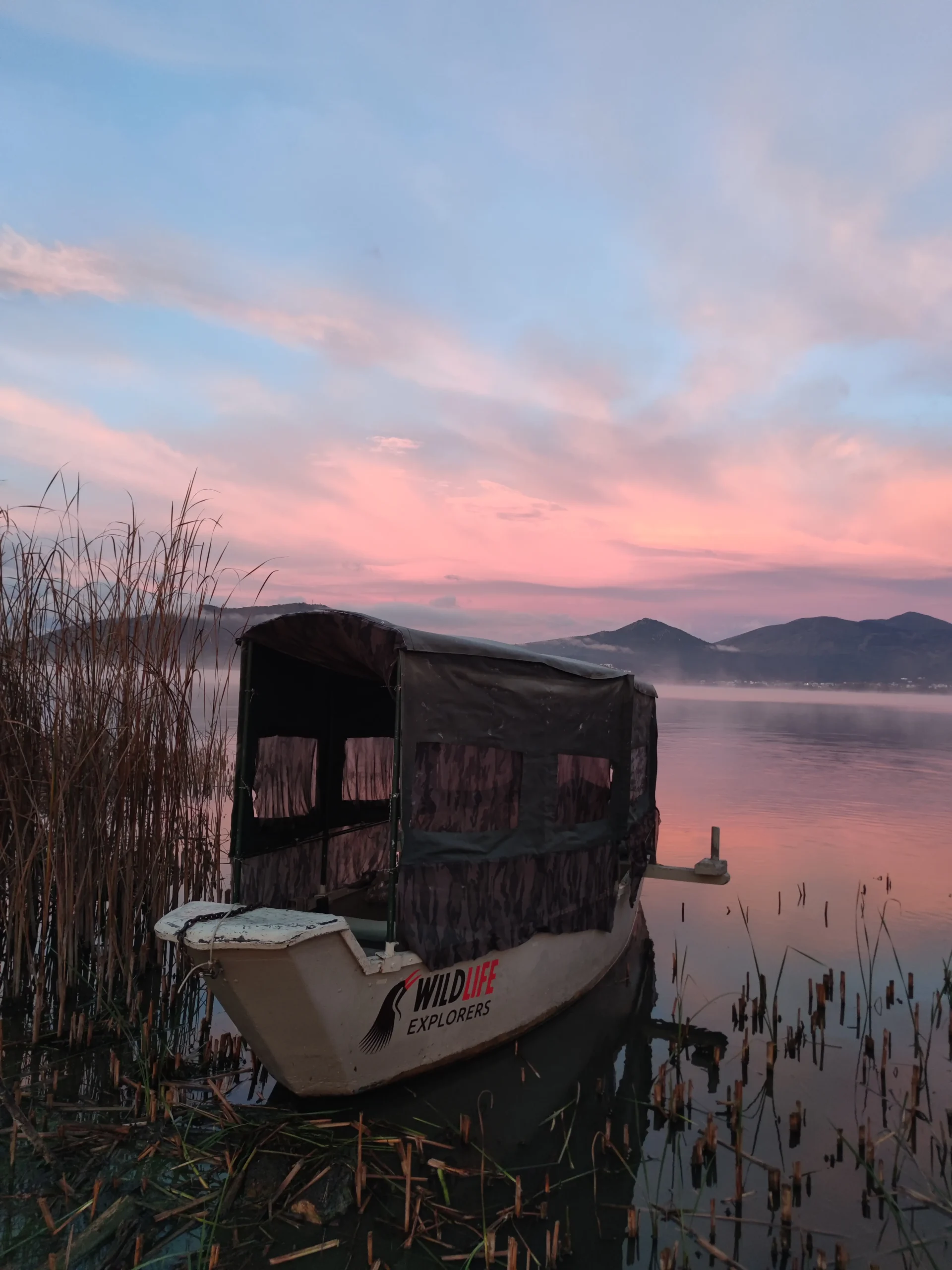
Lake Kerkini is one of Europe's most productive Ramsar wetlands and the stronghold of the Dalmatian pelican. Our floating blind works the pelican colonies, cormorant roosts and the reed beds at water level — within reach of subjects most photographers can only frame from a distance.
Opens · 2026Hide Crete
A high-altitude hide on the flanks of the White Mountains, built for the Cretan griffon vulture — the largest subspecies in Europe — alongside the island's endemic birds and the lammergeier, which is slowly recolonising Crete after decades of absence.
Opens · 2026Opening 2027
Hide Lesvos
Lesvos is the most species-rich birdwatching destination in Greece and one of the ten finest spring migration sites in Europe. Our blind will be set in the Kalloni olive groves — the epicentre of the spring movement, where raptors, waders and Levantine specialties converge.
Opens · 2027Hide Dadia
A second Dadia hide, positioned directly at the vulture feeding station — the highest-density raptor congregation site in Europe. Built for full-day sessions during which all three resident vulture species may gather simultaneously above the same frame.
Opens · 2027